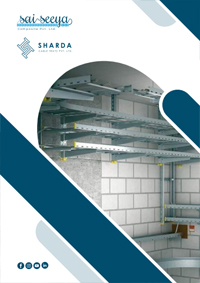
In modern industries, managing complex electrical wiring systems efficiently is a critical requirement. Traditional materials like steel and aluminum have been widely used for cable management, but they often fall short when exposed to harsh industrial environments. This is where FRP Cable Trays (Fiber Reinforced Plastic Cable Trays) come into play. Known for their exceptional durability, corrosion resistance, and cost-effectiveness, FRP cable trays are revolutionizing cable management across multiple sectors.
In this comprehensive guide, we will explore everything about FRP cable trays - what they are, why they matter, their advantages, types, and best applications.
What is an FRP Cable Tray?
An FRP Cable Tray is a cable management system made from Fiber Reinforced Plastic, a composite material consisting of high-strength glass fibers and resin. Unlike metal trays, FRP trays are non-conductive, lightweight, and highly resistant to corrosion, chemicals, and extreme weather conditions.
Key Characteristics:
- Non-conductive and non-magnetic
- Corrosion-resistant
- Lightweight yet strong
- Low maintenance
Why FRP Cable Trays Are Important
Cable management is essential for industrial safety and operational efficiency. FRP cable trays provide a long-lasting solution to support heavy electrical wiring systems in environments where metal trays would corrode or degrade.
Industries rely on FRP trays for:
- Electrical safety
- Reduced maintenance costs
- Resistance to moisture, salt, and chemicals
Advantages of FRP Cable Trays
1. Corrosion Resistance
Unlike steel trays that rust or aluminum trays that oxidize, FRP trays remain unaffected by chemicals, moisture, and harsh environments.
2. Lightweight Design
FRP trays are significantly lighter than metal trays, making installation quicker and easier.
3. Electrical Insulation
FRP is non-conductive, ensuring better safety in electrical installations.
4. Fire Retardant Properties
High-quality FRP trays come with fire-resistant coatings, ensuring safety in case of fire hazards.
5. Cost-Effective Maintenance
Minimal maintenance is required, saving significant costs in the long run.
Types of FRP Cable Trays
FRP trays come in various designs to suit different industrial needs:
- Ladder Type FRP Cable Trays: Ideal for heavy-duty cable installations.
- Perforated FRP Cable Trays: Best for moderate cable loads with better ventilation.
- Trough Type FRP Cable Trays: Provides excellent support for light and medium loads.
- Channel Type FRP Cable Trays: Suitable for small cable installations and low-cost projects.
Applications of FRP Cable Trays
- Power Plants
- Oil & Gas Industries
- Chemical and Petrochemical Plants
- Water Treatment Facilities
- Marine and Offshore Platforms
- Renewable Energy Projects (Solar & Wind)
Installation Tips for FRP Cable Trays
- Ensure correct load calculation before installation.
- Use FRP fittings and accessories for better compatibility.
- Maintain recommended spacing between supports for stability.
Why Choose FRP Cable Trays Over Metal Trays?
| Feature |
FRP Cable Tray |
Metal Cable Tray |
| Corrosion Resistance |
Excellent |
Poor in harsh conditions |
| Weight |
Light |
Heavy |
| Electrical Conductivity |
Non-conductive |
Conductive |
| Maintenance |
Low |
High |
Contact us:
Looking for FRP Cable Trays for your next project? Contact us today for high-quality FRP solutions tailored to your needs.
Visit our FRP Cable Trays Product Page to learn more.
Explore our related Products
• Ladder Type FRP Cable Trays
• Perforated Cable Trays