FRP Gratings vs Steel Gratings: Why Industries Are Making the Switch
📋 Table of Contents
1. Introduction to Industrial Gratings
Industrial gratings are critical components in walkways, platforms, drain covers, and structural decking across manufacturing, processing, and infrastructure projects. The choice between FRP (Fiber Reinforced Plastic) and traditional steel gratings significantly impacts safety, maintenance costs, and operational efficiency over the structure's lifetime.
While steel gratings have been the industry standard for decades, modern FRP gratings are revolutionizing industrial walkway design with superior performance characteristics that translate to real-world benefits.
2. What Are FRP Gratings?
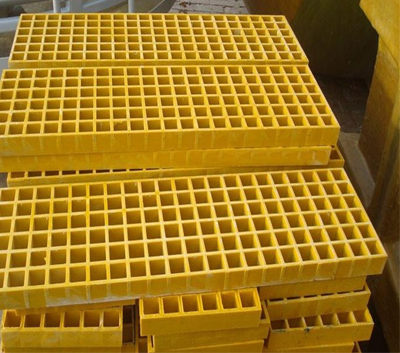
FRP Gratings are composite material structures manufactured from glass fibers embedded in thermosetting resins (vinyl ester, polyester, or epoxy). They feature:
- Construction: Pultruded or molded glass fiber + resin
- Surface: Anti-slip grit finish for safety
- Thickness: 25mm to 50mm standard
- Mesh Size: 38mm × 38mm typical (customizable)
- Color: Yellow (high visibility), green, gray, or custom
3. What Are Steel Gratings?
Steel Gratings are traditional metal structures consisting of:
- Bearing Bars: Vertical load-bearing flat bars (25-65mm)
- Cross Bars: Twisted or welded rod cross members
- Surface: Plain, serrated, or with welded grip strips
- Finish: Galvanized, painted, or plain steel
- Material: Mild steel, stainless steel, or aluminum
4. Detailed Side-by-Side Comparison
| Property | FRP Gratings | Steel Gratings |
|---|---|---|
| Weight (per sq.m) | 7-15 kg | 25-50 kg |
| Corrosion Resistance | Excellent | Poor (rusts) |
| Electrical Conductivity | Non-conductive | Conductive (shock hazard) |
| Slip Resistance | Excellent (grit top) | Moderate |
| Chemical Resistance | Excellent | Poor |
| Fire Retardant | Class 1 available | Combustion: yes, but loses strength |
| Magnetic Properties | Non-magnetic | Magnetic |
| Lifespan | 25+ years | 10-15 years (with maintenance) |
| Maintenance Cost | Minimal | High (painting/replacement) |
| Initial Cost | Higher | Lower |
| Lifecycle Cost (25 yrs) | Lower | Higher |
| Installation Time | Fast (lightweight) | Slow (heavy) |
| Cutting/Modification | Easy on-site | Requires torch/saw |
| Temperature Range | -40°C to +80°C | -50°C to +400°C |
| UV Resistance | Excellent (stabilized) | Paint may fade |
5. Safety Analysis - Where FRP Excels
Electrical Safety
Steel gratings conduct electricity, posing severe shock hazards in electrical environments. FRP gratings are completely non-conductive, eliminating electrical risks - critical in substations, electrical rooms, and around live equipment.
Slip Resistance
FRP gratings feature integrated grit-top anti-slip surface that maintains effectiveness even when wet, oily, or icy. Steel grating surfaces become dangerously slippery in similar conditions.
Fire Safety
Fire-retardant FRP gratings self-extinguish and don't propagate flames. Steel gratings don't burn but lose 50% strength at 600°C, leading to collapse risks during fires.
Worker Safety
- FRP: Lightweight panels safer to handle, reduce injury risks
- Steel: Heavy panels require lifting equipment, more handling injuries
6. Cost Analysis - Initial vs Lifecycle
💰 25-Year Total Cost Comparison (1000 sq.m installation)
| Cost Category | FRP Gratings | Steel Gratings |
|---|---|---|
| Initial Material | ₹35,00,000 | ₹20,00,000 |
| Installation | ₹3,00,000 | ₹8,00,000 |
| Painting (every 3 yrs) | ₹0 | ₹15,00,000 |
| Replacements | ₹0 | ₹25,00,000 (1.5x) |
| Maintenance Labor | ₹2,00,000 | ₹12,00,000 |
| Production Downtime | ₹1,00,000 | ₹10,00,000 |
| Total 25-Year Cost | ₹41,00,000 | ₹90,00,000 |
FRP Savings: 54% over 25 years
7. Application-Specific Recommendations
Best Suited for FRP Gratings
- Chemical Plants: Acid/alkali splash zones
- Water Treatment: Constant moisture exposure
- Marine/Offshore: Salt water environments
- Food Processing: Hygiene requirements
- Pharmaceutical: Cleanroom compatibility
- Electrical Substations: Non-conductive safety
- Cooling Towers: Constant water/chemicals
- Electroplating: Aggressive chemicals
Where Steel May Still Be Preferred
- Very High Temperatures (above 80°C continuous): Steel handles better
- Extreme Mechanical Impact: Steel more impact-resistant
- Very Heavy Loads (2000+ kg/sq.m): Heavy steel grades excel
- Tight Budget, Short Term: 5-year project with no harsh environment
8. Industries Making the Switch
🏭 Real Industry Switches
- Mumbai Port Trust: Switched to FRP gratings for marine walkways (saltwater exposure)
- Reliance Refineries: Using FRP in process areas with chemical exposure
- Tata Steel: FRP gratings in acid pickling lines
- Hindustan Coca-Cola: Food-grade FRP throughout production facilities
- Saudi Aramco: FRP for desert oil/gas facilities
- Indonesian Refineries: FRP in tropical marine environments
Our FRP cable trays and gratings often complement cable tray accessories in integrated industrial installations.
Switch to Premium FRP Gratings Today
Sharda Cable Trays manufactures world-class FRP Gratings for industrial walkways, platforms, and decking. Anti-slip surface, corrosion-proof, fire-retardant. ISO 9001:2015 certified.
Get Quote View FRP Gratings9. Frequently Asked Questions
Q1: What are FRP Gratings?
FRP (Fiber Reinforced Plastic) Gratings are composite material walkway and platform structures made from glass fibers and resin. They offer superior corrosion resistance, lightweight design, anti-slip surfaces, and 25+ year lifespan compared to traditional steel gratings.
Q2: Why are FRP gratings better than steel?
FRP gratings outperform steel in corrosion resistance, weight (75% lighter), safety (non-conductive, anti-slip, fire retardant), maintenance (virtually none vs regular painting), lifespan (25+ years vs 10-15), and total lifecycle cost.
Q3: Can FRP gratings support heavy loads?
Yes, FRP gratings are engineered to support heavy loads - 200-1500 kg/sq.m depending on thickness (25mm to 50mm) and bar spacing. Heavy-duty gratings are used in industrial walkways, mezzanine floors, and platforms in chemical plants worldwide.
Q4: Are FRP gratings slip-resistant?
Yes, FRP gratings come with integrated anti-slip surfaces. The standard grit-top surface provides excellent slip resistance even in wet, oily, or icy conditions - significantly safer than smooth steel surfaces.
Q5: Where are FRP gratings commonly used?
FRP gratings are used in chemical processing plants, oil refineries, water/wastewater treatment plants, marine and offshore platforms, food processing facilities, pharmaceutical plants, electroplating units, cooling towers, walkways, mezzanine floors, drain covers, and structural decking.
Q6: What is the cost difference between FRP and steel gratings?
Initial cost: FRP is 30-50% more expensive than steel. However, lifecycle cost over 25 years: FRP saves 50-60% due to elimination of painting, replacements, and reduced maintenance.
Premium FRP Solutions from Sharda Cable Trays
Manufacturer, Supplier, Exporter from Pune, India to global markets.
Send Enquiry 📞 +91 77750 95888